Which questions about Level 3 handovers matter most, and why should drivers and regulators care?
When manufacturers or the press talk about autonomous driving, the headlines often suggest the machine will do everything safely and humans can relax. That belief - that automation eliminates all risk - is dangerous. Level 3 automation introduces a conditional handover: the car can manage driving in specific situations but will request the human to take back control when it reaches its limits. The most important questions are therefore practical and human-centred, not technical buzz.
- What exactly does "Level 3" mean for my responsibilities as a driver? Can I truly ignore the road until the car prompts me? How do I prepare for a takeover and what tools should I expect in the vehicle? Who is accountable when a handover fails - the driver, the manufacturer or the fleet operator? What regulatory or technical changes are coming that will change how handovers work?
These questions matter because safety depends on human behaviour, system design and regulatory clarity working together. If any of those are weak, a handover can become an emergency instead of a routine transition.
What exactly is Level 3 automation and what does a handover look like in real life?
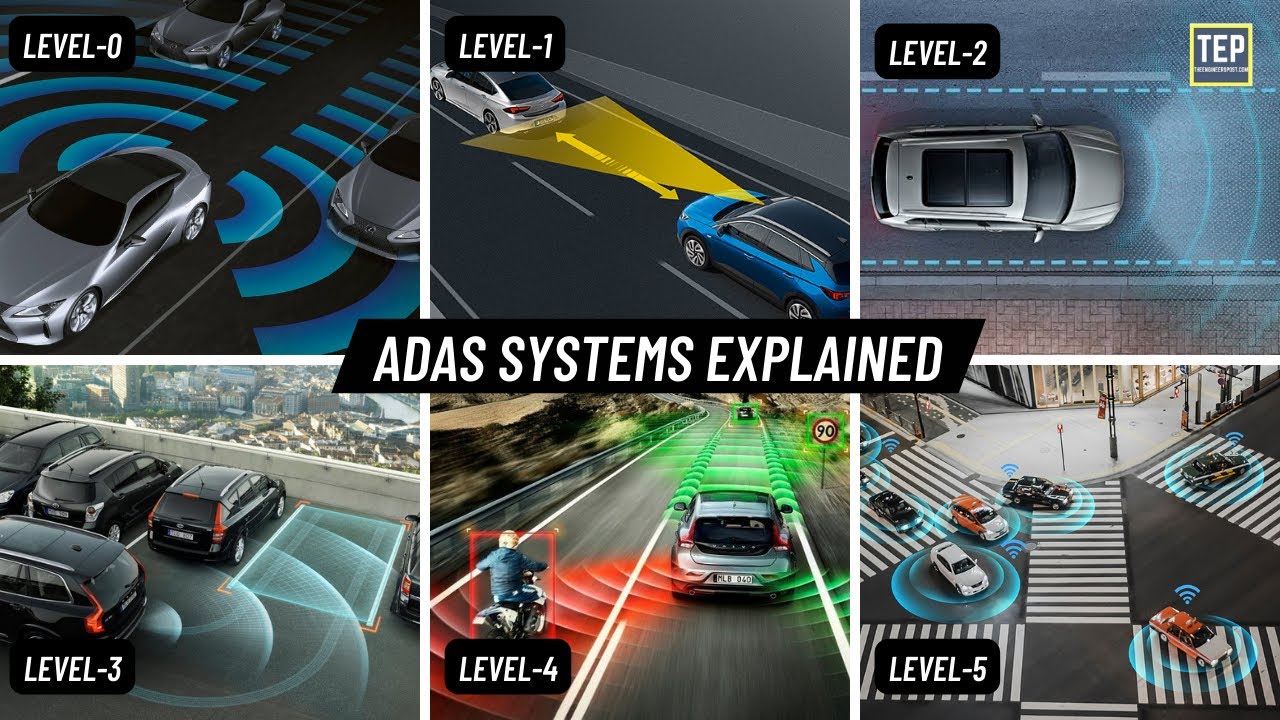
Level 3, as defined by common industry frameworks, is conditional automation. In practical terms, the vehicle handles steering, acceleration and braking within a defined operational domain - say a motorway at certain speeds or during steady traffic flow - but it expects the human to resume control upon request. The key point is that the system can ask the driver to intervene within a limited time window.
Imagine cruising on a motorway where the car follows lanes and adapts speed to traffic. The vehicle detects a complex construction site ahead and decides it cannot safely continue. It issues an alert to the driver. That alert is the handover moment. The system may provide a visual and audible cue and, increasingly, haptic feedback through the seat or steering wheel. The driver must then reorient, assess the situation and take control.
In everyday practice, handovers vary widely. Some are calm and anticipated - the car slows and asks you to retake control early enough to respond comfortably. Others can be sudden: loss of a required sensor, poor weather, or unexpected obstacles may force a quicker transfer. Designing these transitions is where most risk concentrates.
Does Level 3 mean I can stop paying attention and trust the car to save me?
No. One of the biggest misconceptions is that Level 3 absolves the driver of situational responsibility. The reality is more nuanced. Conditional automation reduces the continuous cognitive load of driving, but it still requires drivers to be ready to act. That readiness is not automatic - it must be trained, supported by good human-machine interfaces and reinforced by regulation and testing.
Here are three common misunderstandings and the facts that counter them:
- Misunderstanding: “If the car asks, I have plenty of time.” Reality: Some handovers will allow ample time; others will give only a few seconds. The time available depends on speed, traffic and the car’s detection capabilities. Misunderstanding: “The system will manage any emergency until I take over.” Reality: Many Level 3 systems are designed to bring the vehicle to a safe state if the driver fails to respond. But this fallback may be a controlled stop on the hard shoulder, which in some scenarios is itself risky. Misunderstanding: “My attention can fully drift away.” Reality: Research and trials show degraded performance when drivers are not mentally engaged. Even if eyes are on the road, cognitive disengagement delays reaction times.
Believing the system removes all risk encourages risky behaviour, and that is the most dangerous outcome of hype.
How should drivers prepare for a Level 3 handover - practical steps and a checklist
Preparation is partly behavioural and partly technical. Drivers need habits that keep them ready, while manufacturers must provide interfaces that make the transition efficient and clear. Below is a practical, action-oriented checklist you can use today.
Before driving
- Read the vehicle manual sections on the automation mode you will use. Know the defined operational domain - speeds, road types and weather conditions where the system operates. Complete any manufacturer training modules or short courses provided for the system. Hands-on practice in safe, low-risk environments helps build muscle memory. Ensure driver monitoring systems are enabled. If the car offers eye-tracking, face monitoring or seat sensors, keep them active.
During automation
- Keep a light level of engagement. That means periodic scanning of mirrors and the road environment, even when the car is driving itself. Avoid deep cognitive distractions - long phone calls, complex work or sleep. Brief tasks, like a short message or quick navigation check, are less risky. Position your hands so they can reach the controls quickly if needed. Even when hands-off is permitted, an immediate hand placement reduces takeover time.
When you receive a takeover request
Stop ongoing tasks immediately. Put down devices and focus on the road. Assess the alert type - does it give a countdown or show the reason? Prioritise grasping the steering and regaining situational awareness. Check mirrors and blind spots quickly, but do not delay steering inputs to re-evaluate beyond a couple of seconds. The vehicle may expect immediate basic control first, followed by finer manoeuvring. If the takeover feels unsafe, evaluate escape options - slow the vehicle, move to a shoulder and, if available, engage any “minimum risk manoeuvre” the system offers.Real scenario: a driver on a rainy adaptive cruise control liability A-road receives a takeover prompt because the sensors have difficulty with spray and glare. The driver had been checking messages; after a 4-second pause they reach for the wheel but misjudge the road edge. The car has a fallback plan and begins a controlled slow-down while alerting the driver more insistently. That controlled stop prevented a near miss, but it relied on both the human regaining attention and the automated fallback performing as intended.
Should fleet operators and manufacturers deploy Level 3 widely, or is human oversight still essential?
This is an area where technical capability, legal responsibility and commercial incentive collide. Fleet operators may be tempted to roll out Level 3 systems to cut costs and improve productivity. That is possible, but there are strict conditions that make widespread unmonitored deployment risky.
Manufacturers should not treat Level 3 as a sales feature only. They need robust validation, clear user interfaces, thorough documentation and post-sale support. Fleet operators must implement operational rules: training, health checks, real-time monitoring dashboards and incident reporting.
Practical considerations for fleets
- Geofence deployments to allowed routes where the system has proven competence. Avoid open-ended, nationwide use until validation is complete. Install redundancies in sensor suites and ensure software updates are managed centrally with rollback plans. Use continuous data logging and black box-style recording to analyse handovers and near-misses. That data informs safer updates.
Example: a commercial shuttle deployed on a fixed urban corridor can succeed if the route is well-mapped, speed is controlled and the operator enforces strict attention protocols for backup drivers. Contrast that with a fleet running on mixed rural and urban roads without clear route restrictions - outcomes will likely be worse.
What regulatory and technical developments are likely to change Level 3 handovers in the next few years?
Expect tightening of both design standards and driver requirements. Regulators are waking up to the reality that conditional automation shifts risk to humans in subtle ways. Several trends will shape how handovers evolve:

- Stricter driver monitoring requirements. Regulators will increasingly demand reliable systems that verify the driver is capable of taking control when needed. Clearer alert standards. How an alert looks, sounds and escalates will be specified so drivers get consistent cues across different vehicles. Certification labs and scenario testing. Regulators will require standardised tests that mimic edge cases - sudden sensor occlusion, low-visibility conditions and complex intersections - to validate handover performance. Liability frameworks. Insurers and courts will shape practice by clarifying responsibility when a handover fails. This will influence manufacturer behaviour and driver obligations.
Technology will also improve. Expect better human-machine interfaces with multimodal alerts, more capable sensor fusion that reduces false handovers, and smoother degraded-mode behaviours. Remote supervision may become more common - a remote operator can assist a local driver or provide guidance during complex handovers - but this is not a silver bullet and introduces new latency and legal questions.
Thought experiment: a busy motorway scenario in 2028
Picture a motorway with a mix of Level 2, Level 3 and manual vehicles. A Level 3 car detects a sudden lane closure due to debris. It requests the driver to take over and activates an internal checklist: escalate audible cues, flash an attention light and nudge the seat. If the driver is unresponsive, the system initiates a minimum risk manoeuvre, signalling and moving to the shoulder.
Now change one factor - imagine the driver was part of a rideshare fleet on a long phone call. Even with perfect alerts, a delayed reaction creates a window of vulnerability. If regulators mandate both driver monitoring and route limitations for such fleets, the scenario becomes safer. If they do not, the same situation is more likely to end badly. This thought experiment highlights why technical innovation alone is not enough.
What practical takeaway should drivers and policymakers adopt right now?
First, drivers must treat Level 3 as a system that reduces work but does not remove responsibility. Build habits: read the manual, practice handovers, and avoid deep distractions. Second, manufacturers and fleet operators must design handovers that assume imperfect human behaviour - that means layered alerts, clear fallback plans and conservative operational domains. Finally, policymakers should insist on standards for driver monitoring, alerting and scenario testing so the public sees consistent performance across brands.
In short, automation changes the nature of risk rather than eliminating it. The most dangerous assumption is to believe a handover is just a technical event; it is primarily a human-machine interaction requiring attention, training and thoughtful regulation.
Final scenario to ponder
Imagine two identical Level 3 cars driving the same route. One manufacturer implemented rigorous driver monitoring and conservative handover rules; the other prioritised convenience with softer alerts and broader operational domains. Over a year, the first will show fewer near-misses and clearer data for improvement. The second will likely generate the headlines we dread. That contrast is avoidable if industry and regulators act deliberately now.
Level 3 automation can deliver safer, less tiring journeys, but only if we stop pretending that automation makes human judgement irrelevant. The handover is not a brief technicality - it is where the human element matters most.